September marks the shift from summer’s lush growth to autumn’s defining structure. It is the moment when form, subtle colour and long-term presence matter. Here are four standout plants that build the foundation of resilient, visually rich autumn plantings.
Molinia Banshee Molinia caerula 'Banshee' PBR features airy flower spikes that vary from dark purple to red and pale pink-white, turning to orange-yellow stems in autumn. The display begins in June and continues until the first frost. The plant tolerates sea-wind, pollution, drought, heat, humidity and disease. With upright habit it suits perennial borders, mass-planting and dried flower use.
Symphoricarpos Little Berry Symphoricarpos Little Berry ('GRSYCHLB'PBR) is a naturally compact shrub that brings year-round interest. In autumn it produces delicate flowers, then shifts to abundant deep-pink berries from late autumn into spring. These lasting berries give texture and colour well into winter. The shrub is highly hardy (to –35 °C), resistant to cold, drought, pollution and coastal winds.
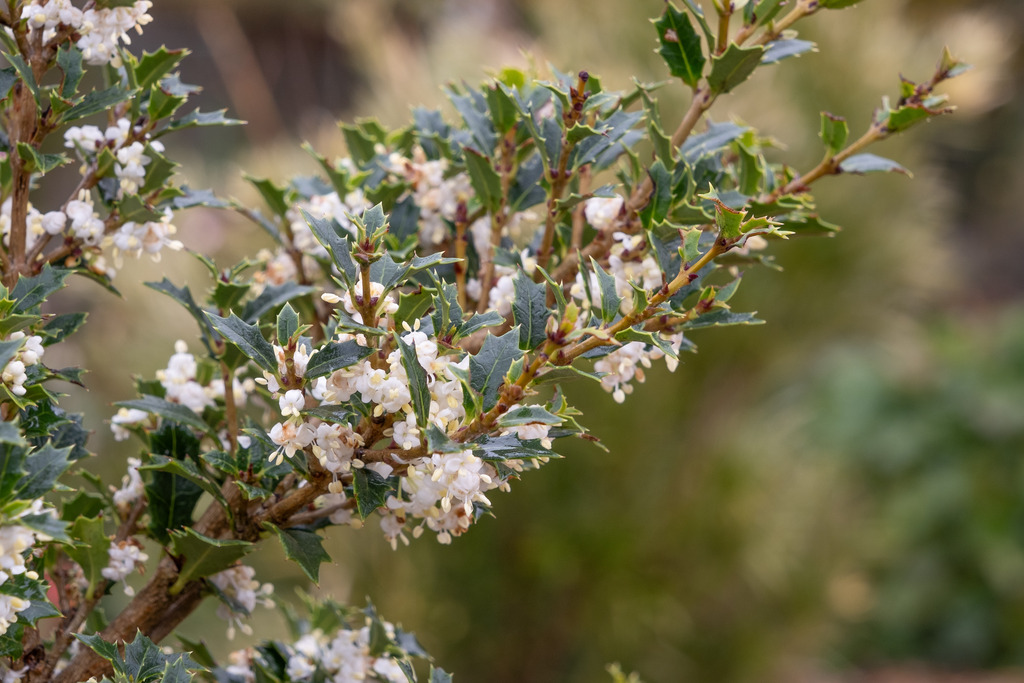
Osmanthus Perfume Party Osmanthus heterophyllus Perfume Party ('PNOS01'PBR) is an evergreen dwarf shrub with dense, round habit and small glossy dark-green leaves. Copper-orange new growth in spring adds interest; sweet fragrant flowers enhance autumn landscapes and pollinator value. Hardy to –15 °C, tolerant of heat, drought and humidity. Especially suitable for low hedges, borders, containers on terraces or balconies.
osmanthus_perfume-party_4723_03.jpg4.55 MB Osmanthus Perfume Party
Miscanthus Silver Charm Miscanthus sinensis 'Silver Charm' PBR stands out with showy panicles that start silvery, then change to intense white. It begins flowering in September and continues until early frost. The decorative value of the panicles remains long after flowering. It is low-maintenance, winter-hardy and free from pest and disease issues. Ideal for hedges, borders, prairie gardens and container accents.
These four varieties provide texture, tone and durability. They don’t just show well in autumn—they build structure that lasts into winter. Perfect for professional growers, breeders and garden centres seeking plants that deliver value beyond the peak season.
 Deutsch (Deutsch)
 Nederlands (Niederländisch)
 English (Englisch)
 Français (Französisch)
 Italiano (Italienisch)
 Polski (Polnisch)
.jpg)